A high converting landing page is the difference between throwing money at traffic and actually generating revenue. While the average landing page conversion rate hovers around 2-3%, the best performers consistently achieve 10% or higher. The gap isn’t luck—it’s strategic design and optimization. Every high converting landing page starts with understanding your audience deeply.
Building a landing page that converts requires understanding exactly what drives visitors to take action. Every element, from your headline to your call-to-action button, either supports or undermines your conversion goals. Let’s break down the proven framework that transforms visitors into customers.
The Anatomy of a High Converting Landing Page
Successful landing pages follow a predictable structure that guides visitors toward conversion. The most effective pages contain these essential elements arranged in a logical hierarchy:
Above the Fold Optimization
Your above the fold section determines whether visitors stay or leave within seconds. This critical real estate must immediately communicate three things: what you’re offering, who it’s for, and why they should care. The headline should match your traffic source’s messaging to maintain message consistency—a key factor in CRO fundamentals.
Dropbox’s original landing page exemplified this principle with their simple headline: “Your files, anywhere.” Combined with a clear value proposition and prominent sign-up form, this approach helped them achieve remarkable growth in their early years.
Compelling Value Proposition
Your value proposition answers the visitor’s internal question: “What’s in it for me?” It should be specific, benefit-focused, and immediately understandable. Avoid generic phrases like “best-in-class” or “revolutionary solution.” Instead, quantify your benefits whenever possible.
For example, instead of “Improve your productivity,” try “Save 3 hours per week on data entry tasks.” This specificity helps visitors visualize the concrete benefit they’ll receive.
Conversion Rate Killers to Avoid
Even well-intentioned design choices can sabotage your conversion rate. Here are the most common mistakes that kill conversions:
Navigation and Distractions
Traditional website navigation works against landing page goals. Every additional link provides an escape route that reduces conversions. Remove your main navigation, footer links, and any elements that don’t directly support your conversion objective.
Unbounce increased their conversion rate by 30% simply by removing navigation from their landing pages. This forces visitors to make a binary choice: convert or leave. Addtionally you can grow quick your traffic with social ads or google ads step by step and breakdown the pharse with your goal and strategies
Weak or Multiple CTAs
Your call-to-action (CTA) should be the most prominent element on your page. Use contrasting colors that stand out from your design palette, and limit yourself to one primary CTA per page. Multiple competing actions create decision paralysis and reduce conversions.
The CTA copy should be action-oriented and benefit-focused. “Start Your Free Trial” outperforms “Submit” because it emphasizes what the visitor receives rather than what they’re giving up.
Social Proof That Actually Converts
Social proof reduces the perceived risk of conversion by showing that others have successfully used your product or service. However, not all social proof is created equal. Social Proof That Powers a High Converting Landing Page
Strategic Testimonial Placement
Position testimonials near your CTA where they can address last-minute objections. Include specific details about results achieved rather than vague praise. “Increased sales by 40% in 3 months” carries more weight than “Great product!”
Use photos of real customers when possible. Stock photos actually hurt credibility and can decrease trust. If you can’t use real photos, consider text-only testimonials which often feel more authentic than obvious stock imagery.
Trust Indicators That Matter
Security badges, client logos, and certifications can boost conversions, but placement matters. These elements work best near form fields where visitors are deciding whether to share their information.
However, avoid cluttering your page with every badge you’ve earned. Choose 2-3 relevant trust indicators that your specific audience recognizes and values.
Landing Page Optimization Through Testing
The highest converting landing pages are built through systematic testing and iteration. Every audience responds differently, making assumptions dangerous.
What to Test First
Start with high-impact elements that can dramatically affect your conversion rate. Headlines, CTAs, and overall page layout should be your first testing priorities. These elements have the greatest potential to move the needle significantly.
For detailed testing methodologies and statistical significance calculations, refer to our comprehensive internal linking strategy to build topical authority
Testing Framework
Test one element at a time to isolate what’s actually driving changes in conversion rate. Run tests until you reach statistical significance—typically requiring at least 100 conversions per variation for reliable results.
Document your results and learnings. Failed tests provide valuable insights about your audience preferences and can inform future optimization efforts.
Mobile-First Landing Page Design
Over 60% of landing page traffic comes from mobile devices, making mobile optimization critical for high conversion rates. Mobile users behave differently than desktop visitors, requiring specific design considerations.
Thumb-Friendly Design
Size your CTA buttons for easy tapping—at least 44 pixels tall with adequate spacing from other clickable elements. Place primary actions within easy thumb reach, typically in the lower half of the screen.
Minimize form fields for mobile users. Each additional field exponentially decreases mobile conversion rates. Consider using progressive profiling to collect additional information after the initial conversion.
Loading Speed Optimization
Mobile users abandon pages that take longer than 3 seconds to load. Optimize images, minimize code, and use content delivery networks to ensure fast loading times. For a deeper dive, check out page speed best practices directly from Google
Advanced Conversion Tactics
Once you’ve mastered the fundamentals, these advanced tactics can push your high converting landing page to elite performance levels
Dynamic Content Personalization
Customize your landing page content based on traffic source, geographic location, or previous visitor behavior. Returning visitors might see different messaging than first-time visitors, addressing their specific stage in the buying journey.
Urgency and Scarcity
Genuine urgency can boost conversions significantly, but avoid false scarcity that can damage trust. Time-limited offers work best when the deadline is real and meaningful to your business.
Measuring Landing Page Success
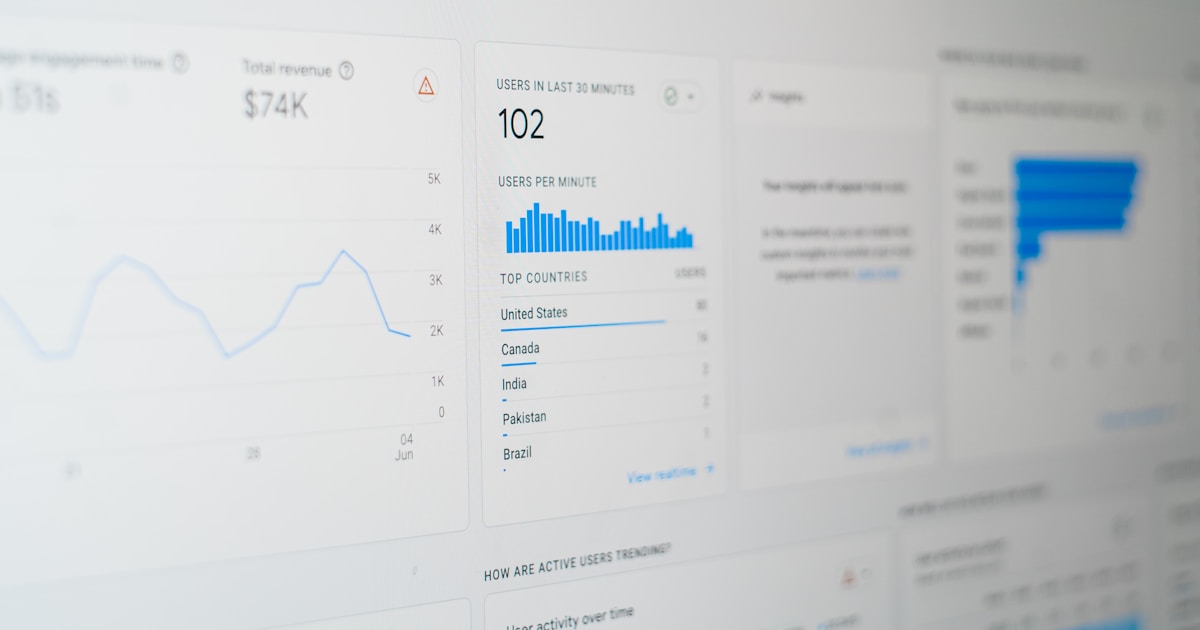
Conversion rate is your primary metric, but supporting metrics provide context for optimization decisions. Monitor bounce rate, time on page, and scroll depth to understand visitor engagement patterns.
Track conversions through your entire funnel, not just the initial action. A landing page that generates leads that never convert to customers isn’t truly high-performing.
Set up proper conversion tracking and attribution to understand which traffic sources and campaigns deliver the highest quality conversions. This data informs budget allocation and optimization priorities.
Building a high converting landing page requires combining proven principles with systematic testing. Focus on clarity, remove distractions, leverage social proof strategically, and continuously optimize based on real user data. The investment in landing page optimization pays dividends across all your marketing efforts.